

Board Governance and Fundraising Expectations: Aligning Roles and Responsibilities
Understanding the Role of Fundraising in Board Governance
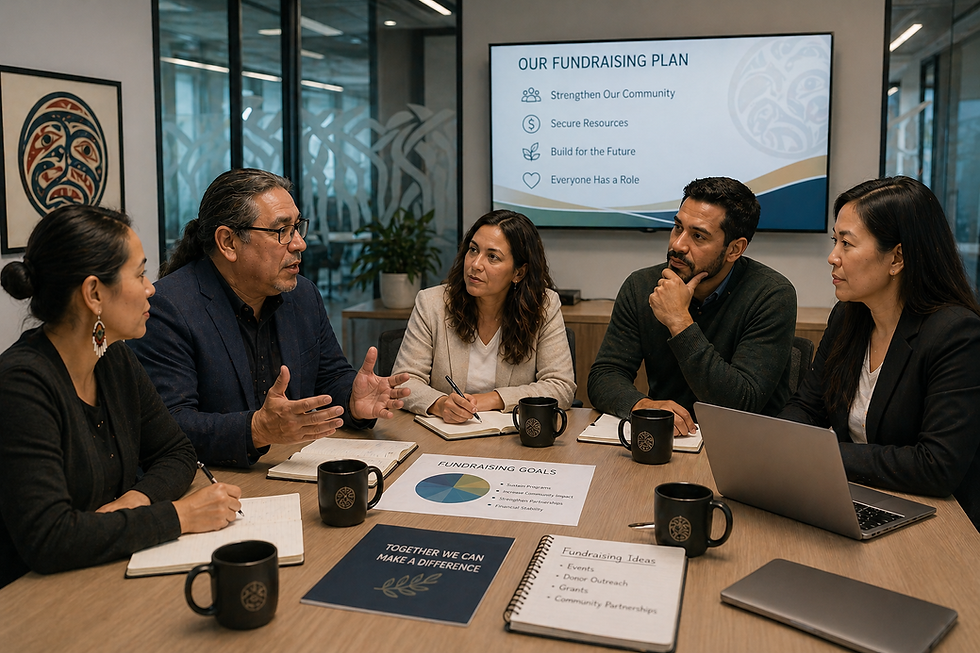
It is not uncommon for tension to arise when a nonprofit board launches a major fundraising effort and some members are reluctant to participate. While fundraising itself is not a legal duty within board governance, every nonprofit board shares responsibility for ensuring the organization has the resources it needs to operate and grow.
This distinction is important. Boards may not be required to fundraise directly, but they are accountable for resource development. How that responsibility is carried out can vary widely depending on the organization.
Determining Your Approach to Fundraising Expectations
A key consideration for any nonprofit board is whether fundraising expectations are temporary or ongoing. A one-time campaign may call for a different level of board involvement than a long-term strategy focused on sustained resource development.
Board governance practices should reflect this decision. Grassroots organizations often rely heavily on board members to lead fundraising efforts, while larger nonprofits may depend more on staff or external expertise. Many mid-sized organizations find success with a blended approach, where board members support fundraising in ways that align with their skills and networks.
Clarifying Board Responsibilities
When fundraising expectations are part of board governance, they should be clearly outlined in board member terms of reference. This ensures that prospective members understand the role before joining and helps set consistent expectations across the nonprofit board.
Clear documentation also provides a framework for addressing performance concerns if expectations are not met. Without this clarity, misunderstandings can weaken both accountability and board cohesion.
Navigating Change Within the Board
Introducing new fundraising expectations partway through a board member’s term can lead to mixed reactions. Some members may embrace the shift, while others may feel unprepared or uncomfortable with the change.
In these situations, strong board governance calls for open discussion and thoughtful transition planning. Providing support, training, or alternative ways to contribute to resource development can help maintain engagement while respecting individual capacity.
Clear board governance and well-defined fundraising expectations help nonprofit boards meet resource development goals while maintaining alignment, accountability, and member engagement.


